
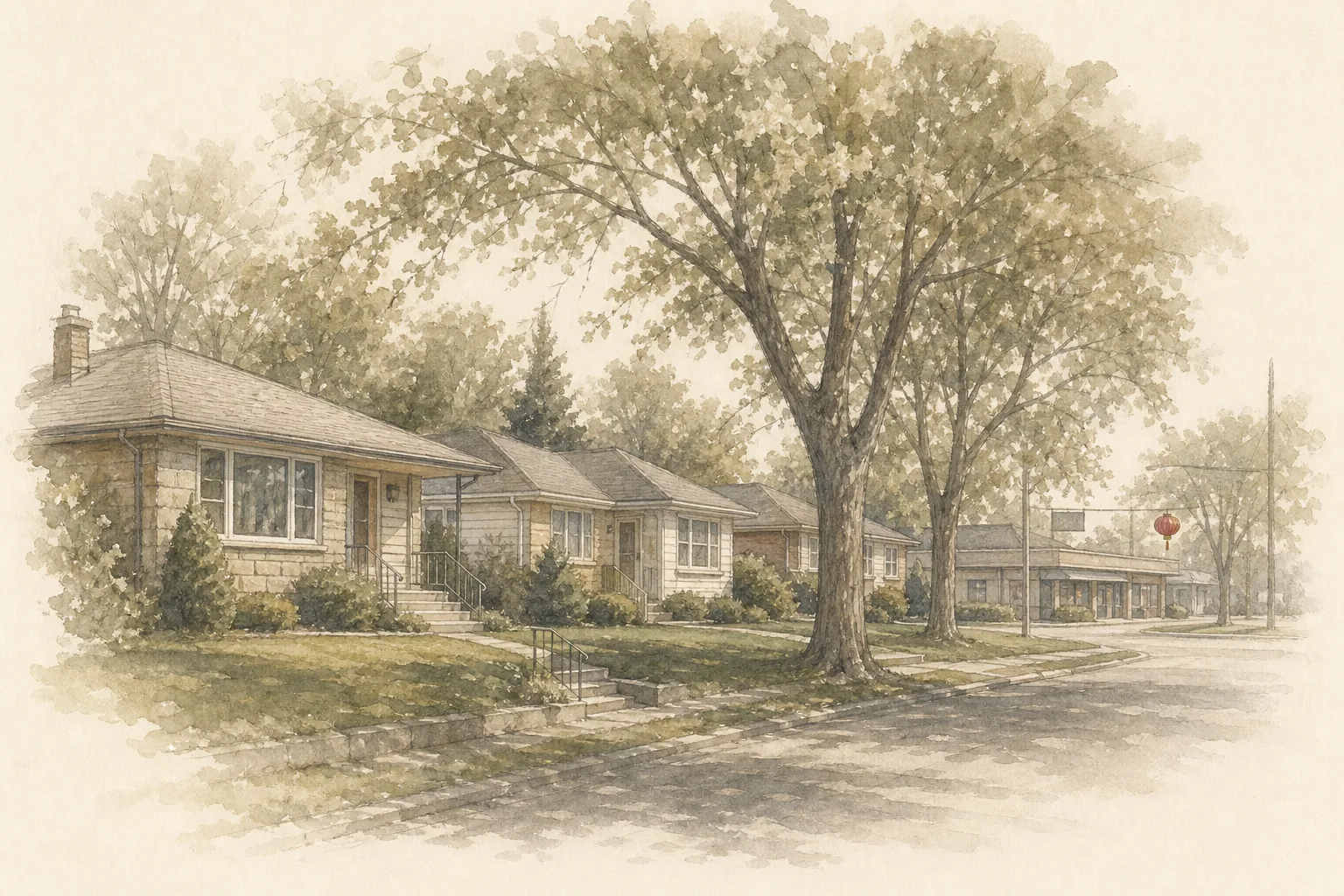
The family workhorse of the east end: bungalows and backsplits on lots you can’t buy new anymore, owner-occupancy near 80%, a GO station that beats most downtown commutes - and the neighbourhood that invented the GTA’s Asian food-mall culture. Agincourt doesn’t photograph trendy. It just works.
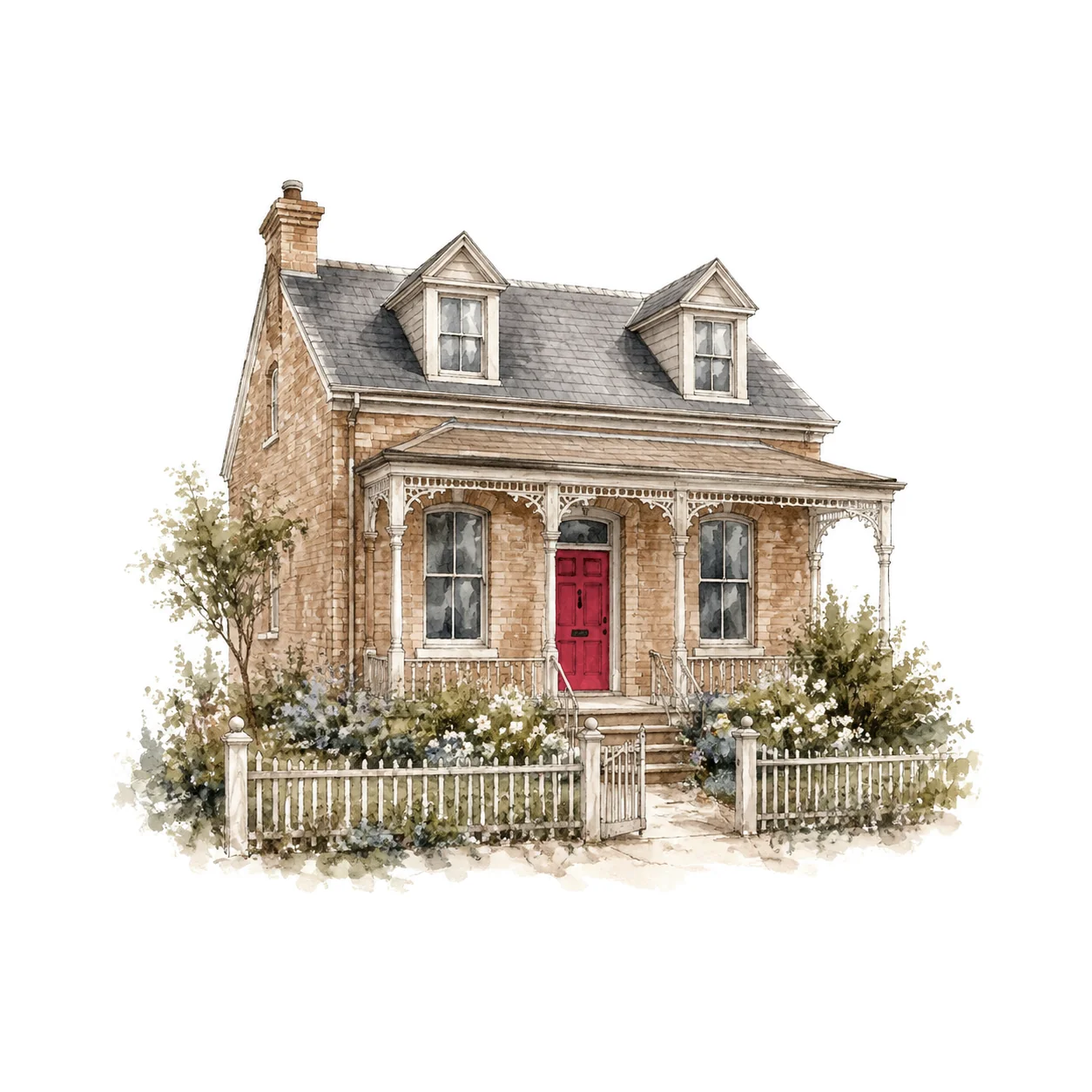
The homes.
Officially this is two neighbourhoods - Agincourt North and Agincourt South–Malvern West - and the census tells the family story plainly: in the north, 68% of homes are ground-related and 78% are owner-occupied (2021), mostly the 1960s–70s bungalow and backsplit stock, with a newer condo cluster rising near Kennedy and the 401. The lots are the quiet luxury - frontages from an era when land was cheap.
Value is the other pill with receipts: detached homes here trade around the $1M line - 49th most affordable of Toronto’s 140 traded neighbourhoods. For live numbers, read TRREB Market Watch - or ask Rose what the last three months looked like north versus south of Sheppard.
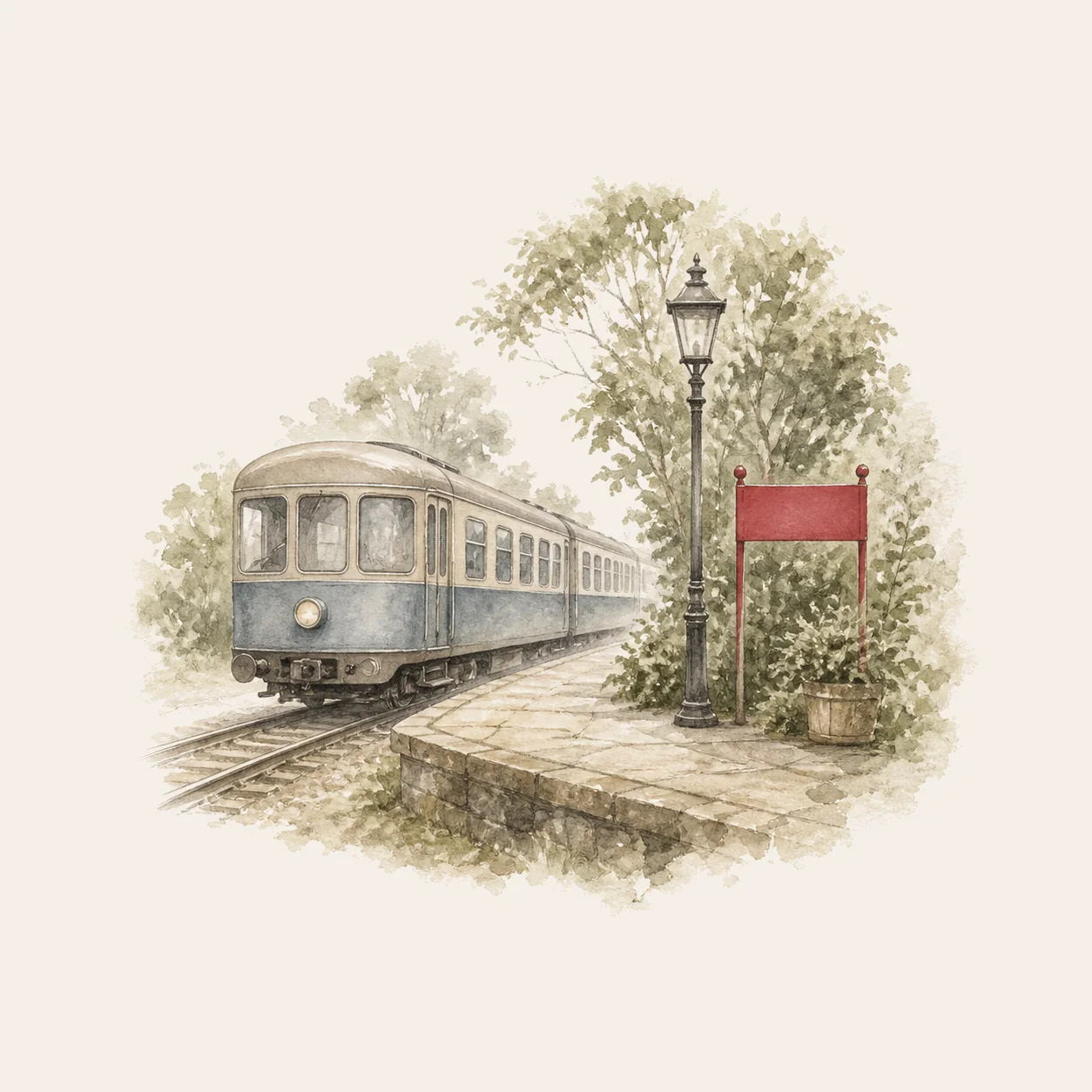
Getting around.
The sleeper commute: Agincourt GO runs to Union in about 29 minutes on the Stouffville line - faster than most subway commutes from inside the city. The 85 Sheppard East bus connects to Line 4 at Don Mills, and the 401 forms the southern edge. Honest note: the Sheppard subway extension east is being studied - an options-stage business case, not a funded project - so buy the GO station, not the rumour.
Walkability is honest suburbia: Walk Score 53, Transit Score 70 in the north - the plazas walk fine, daily life mostly assumes a car.
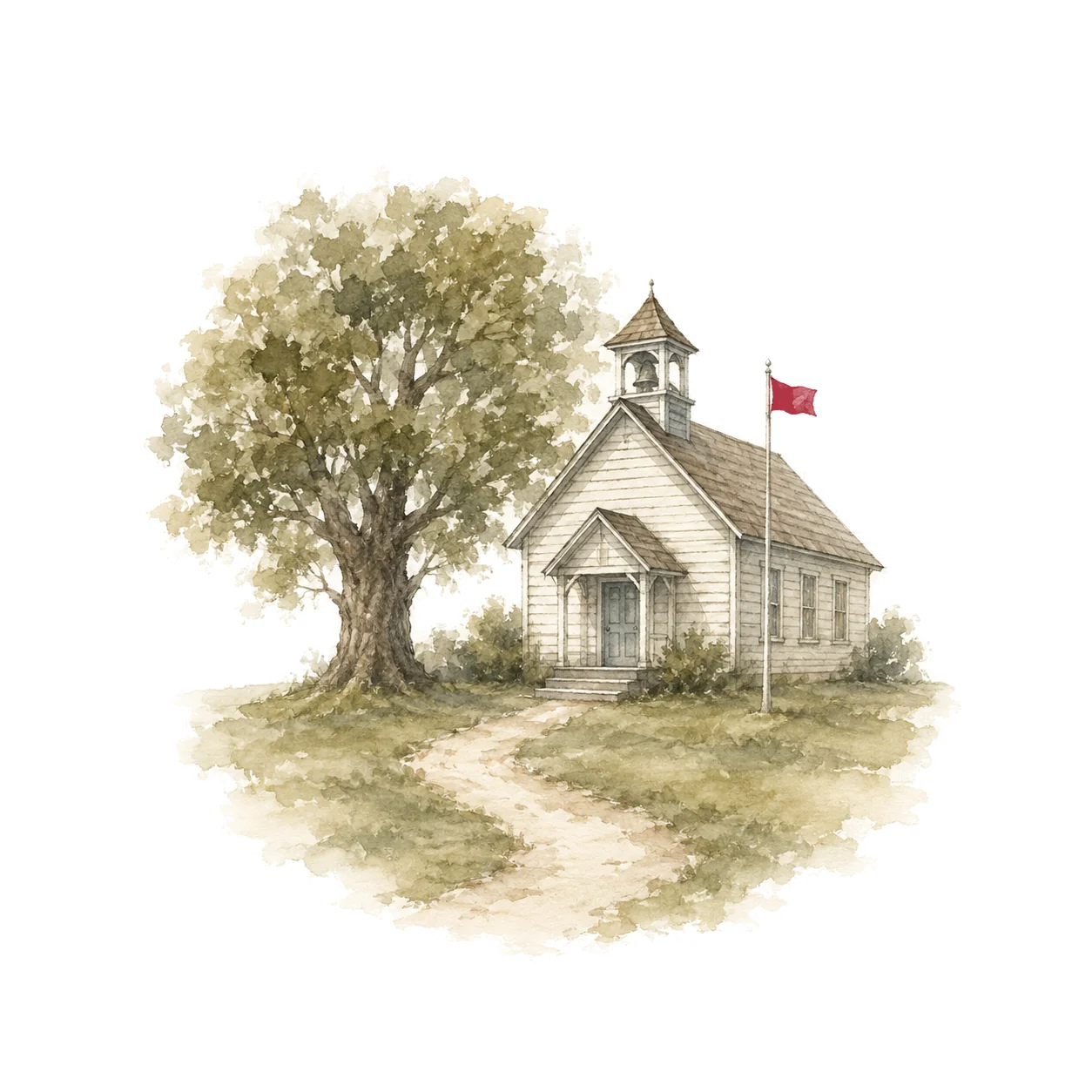
The schools.
Agincourt Collegiate Institute - founded 1915, the oldest secondary school in the former Scarborough board, with French Immersion - is in such demand it’s currently closed to out-of-area admission: you have to live here to attend. That’s a real estate fact wearing a school uniform. Francis Libermann C.H.S. and St. Bartholomew carry the Catholic side - confirm any address with the TDSB school finder.
The table.
History first: Agincourt’s Dragon Centre (1984) was Toronto’s first Asian mall - “by 1987 there were more than a dozen Chinese malls in Agincourt” (U of T Scarborough) - and the food culture it started now defines the east end. (The Dragon Centre itself closed in 2019 and awaits redevelopment.) Today’s best-reviewed (Google, retrieved September 2026 - counts drift, check current):
And one landmark that isn’t about the stars: Perfect Chinese Restaurant on Sheppard - open 24 hours, an institution measured in decades, not ratings.
The vibe.
The food scene, and a piece of its history still standing:

Who lives here.
About 51,700 people across the two Agincourts (2021) - two-thirds immigrants, with Cantonese and Mandarin together spoken by well over half the north, and Tamil a strong third voice. Households run large (3.0 average), most couple families have kids at home, and homes pass between generations. Multi-generational deals are the norm here, not the exception - which is exactly Rose’s lane.
Watch this space.
The quiet neighbourhood has loud plans on file: the Agincourt Mall redevelopment - 4,372 units, one of the largest residential applications in Toronto - while the Scarborough Subway Extension tunnels toward its Sheppard & McCowan terminus at Agincourt’s corner, and GO Expansion pushes the Stouffville line toward all-day frequency through Agincourt GO. The bungalows aren’t going anywhere; what surrounds them is.
All third-party figures above link to their sources and were retrieved September 2026 - check the linked pages for current numbers. Walkability scores courtesy of Walk Score®.

Thinking about Agincourt?
Rose will tell you which streets hold the big lots, what the mall redevelopment means for the blocks around it, and whether the backsplit or the new condo is the smarter version of you-in-Agincourt.